Common Farm Management Mistakes That Affect Animal Performance
Every farmer wants healthier animals, better productivity, and fewer surprising expenses. However, sometimes, you notice that even with the best intentions, small unintentional mistakes or omissions can gradually impact your herd’s performance.
But do not worry! Most farm management issues are preventable with observation and proactive care. This guide will explore some common farm management mistakes and what you can do to avoid them. Let’s jump in!
What are the Most Prevalent Farm Management Mistakes that Can Affect Animal Performance
Ignoring Animal Health Until Problems Appear
One of the biggest mistakes is waiting until an animal shows visible signs of illness or reduced performance. By the time a problem becomes major, it can be difficult to address. Over time, a small problem can affect milk production, weight gain, fertility, or overall well-being of animals.
It is essential to opt for regular health checks and preventive practices. Many successful farmers also consider routine professional hoof care to help animals stay comfortable and active all year round.
Assuming Nutrition Alone is Enough
Of course, a balanced diet is essential, but only nutrition alone is not enough for animal health and well-being. They also need clean water, low-stress handling, comfortable housing, and consistent health management. Many farmers often overlook these factors.
It is essential to look at herd performance from a whole-farm perspective rather than focusing on feed alone. Small improvements across multiple areas usually create a much bigger impact.
Overlooking the Importance of Comfortable Movement
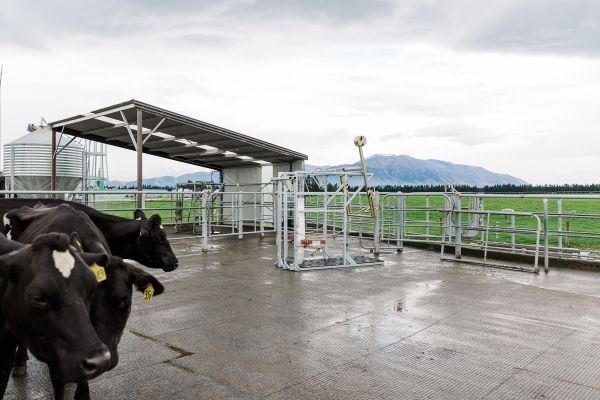
Animals spend a significant time walking to feed, water, and milking areas. If there are uneven tracks, slippery surfaces, or muddy gateways, they can place unnecessary stress on their bodies.
When animals can move comfortably, they can eat well, maintain a healthy body, and perform at their best. It is essential to monitor how your animals walk. If you notice any mobility issues, opt for hoof trimming services to restore their comfort.
Skipping Routine Preventive Maintenance
Preventive management often gets pushed aside during busy seasons. However, delaying or ignoring routine care can lead to larger problems later. Whether it is maintaining facilities, reviewing animal records, or scheduling regular health assessments, consistency is key. You should build a yearly maintenance plan to reduce unexpected setbacks and keep the farm running more efficiently.
Failing to Maintain Proper Hygiene
Cleanliness plays a major role in protecting animal health and performance. Dirty housing, contaminated feeding areas, and poor waste management can increase the risk of infections and disease outbreaks. Regularly cleaning barns, water troughs, and feeding equipment helps create a healthier environment. Good hygiene practices also reduce stress on animals, allowing them to grow, produce, and perform more efficiently while lowering veterinary costs over time.
Neglecting Accurate Record Keeping
Keeping detailed records is essential for making informed farm management decisions. Tracking animal health, breeding schedules, feed consumption, vaccinations, and production levels helps identify trends before they become problems. Well-maintained records enable farmers to respond quickly to changes, improve herd performance, and plan future management strategies with greater confidence and accuracy.
Be Ready to Take the Best Care of Your Animals!
Excellent animal performance is not possible to achieve through one major change. It is built through consistent, thoughtful management every day. By avoiding these common mistakes, you can improve productivity, support animal welfare, and reduce unexpected costs.




Leave a Reply