Leaving Your Rental the Right Way: What Every Chicago Tenant Should Know
Moving to a new place can be exciting, but ending a lease is not always as simple as packing boxes and handing over the keys. Sometimes life changes without warning. You may accept a better job, need to move closer to family, or simply realize your current home no longer fits your needs. Whatever the reason, leaving a rental the right way can save you from unnecessary stress, unexpected costs, and problems that could follow you long after you move. Taking a little extra time to understand the process now can make your next chapter much easier and give you peace of mind during an already busy time.
Start With Your Lease Before Making Any Plans
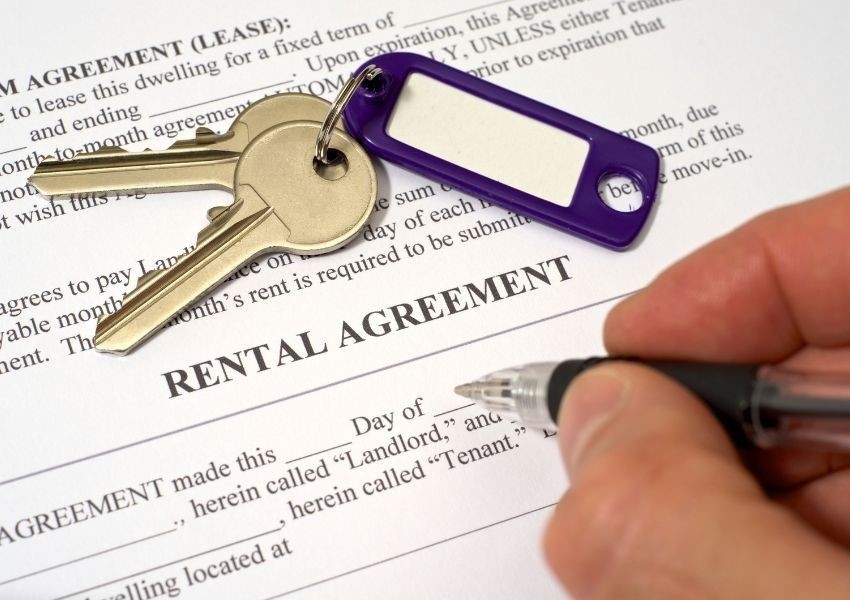
The first thing you should do is read your lease carefully. It may seem obvious, but many renters skip this step and later discover rules they did not know existed. Your lease explains how much notice you must give, whether there are fees for leaving early, and what responsibilities you still have after moving out. Knowing these details before speaking with your landlord helps you avoid confusion and puts you in a stronger position. Every lease is different, so never assume your situation is the same as someone else’s.
Good communication is just as important as understanding the paperwork. As soon as you know you need to move, let your landlord know. Waiting until the last minute usually creates more problems than solutions. Most landlords appreciate tenants who are honest and give enough notice. It also gives them time to prepare the property for a new renter, which can sometimes make them more willing to work with you if your plans have changed unexpectedly.
Learn the Local Rules Before Ending Your Lease
Rental laws are different from one place to another, and that is why local knowledge matters. A process that works in one city may not apply somewhere else. If you are dealing with a chicago lease termination, understanding the local requirements can help you avoid costly mistakes. There may be specific notice periods, legal protections, or responsibilities that both tenants and landlords must follow. Spending a little time learning these rules before making decisions is always better than facing unexpected legal or financial issues later.
Keeping written records is another smart habit that many people overlook. After talking with your landlord, follow up with an email or written notice. Save copies of every document related to your lease, including payment receipts, maintenance requests, and any agreements made during the move out process. These records can become very valuable if questions arise later. Clear documentation often prevents misunderstandings before they become serious disagreements.
Leave the Property With Care
Before returning the keys, take time to leave the property clean and organized. Remove all personal belongings, clean each room, and repair any minor damage if it is your responsibility. Taking clear photos of every room before leaving is also a wise step. Those pictures can serve as proof of the condition of the property and may help if there are questions about your security deposit later. While cleaning may feel like one more exhausting task during a move, it often pays off by creating a smoother final inspection.
Many renters forget that their rental history matters long after they leave. Future landlords often ask for references from previous property owners. A tenant who pays rent on time, communicates respectfully, and leaves the property in good condition builds a positive reputation that can make renting another home much easier. Even if your move happens because of difficult circumstances, handling the process responsibly shows maturity and reliability.
Know Your Options if You Must Leave Early
Sometimes moving early cannot be avoided. A new career opportunity, family emergency, or unexpected financial change can force you to leave before your lease officially ends. While this situation feels stressful, it does not always mean the worst outcome. Many landlords are willing to discuss practical solutions, especially when tenants communicate early and cooperate throughout the process. In some situations, another qualified tenant may be able to take over the rental, while other agreements may reduce financial penalties for everyone involved.
If you are considering a Cook county lease break, it is important to understand the options available under local regulations before making any final decision. Every situation is unique, and knowing your rights as well as your responsibilities allows you to make informed choices instead of emotional ones. Asking questions, reviewing your lease carefully, and seeking reliable guidance can make a challenging situation much easier to manage.
A Careful Exit Makes the Next Beginning Easier
Moving is more than changing addresses. It is often the beginning of a new job, a growing family, or an entirely new stage of life. While it is easy to focus only on what comes next, taking care of your current lease should never be treated as an afterthought. A little patience, honest communication, and careful planning can protect your finances, preserve your rental history, and reduce unnecessary stress.
No move is completely free of challenges, but the way you handle the end of your lease can make a lasting difference. Read your lease, communicate early, document everything, and leave the property with respect. Those simple actions help you move forward with confidence, knowing you handled the situation the right way and are ready for whatever comes next.





Leave a Reply