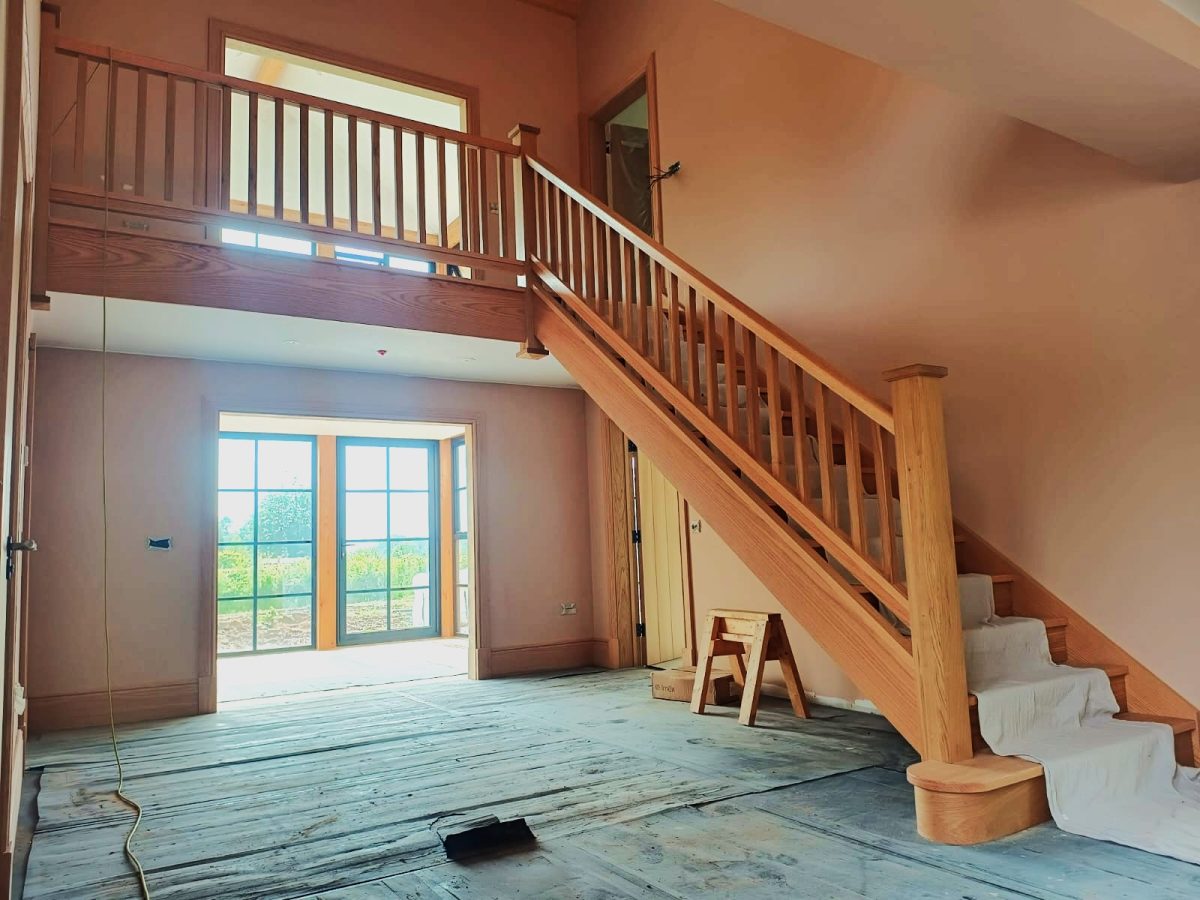
How a Bespoke Staircase Can Transform the Heart of Your Home
A staircase is often one of the first things people notice when they walk into a home, yet it is easy to overlook when planning a renovation. It connects different levels, guides how people move through the property, and can have a surprisingly strong effect on the overall atmosphere. A well designed staircase can become a beautiful statement feature, while a simple and practical design can quietly support the rest of the interior without taking attention away from other details.
The great thing about a bespoke staircase is that there is no need to settle for something that almost fits. A staircase can be created around the available space, the character of the property, and the way you want the finished interior to look. From traditional timber details to clean modern lines, there is plenty of room to create something personal and practical.
Start With the Space You Already Have
Before thinking about materials or decorative details, it makes sense to understand the space available for the staircase. Every home has different proportions, layouts, ceiling heights, and access points, so a design that works beautifully in one property may not work at all in another.
This is particularly important when working with older properties. Heritage and listed buildings can have unusual layouts that require a more thoughtful approach. Instead of forcing a standard staircase into the available area, a custom design can take the existing structure into account and make the most of the space.
Good planning also helps ensure the staircase feels comfortable to use. Its shape, width, steps, handrail, and overall position should work together rather than being treated as separate elements.
Choose a Design That Fits Your Home
There is no single staircase style that works for every property. Some homeowners prefer traditional designs with turned timber spindles and detailed handrails, while others may want something cleaner and more contemporary.
A staircases manufacturer in Swindon can provide the flexibility needed when a standard staircase does not quite suit the property. A bespoke approach makes it possible to consider the architecture, available space, and personal preferences before the staircase is manufactured.
The design can be simple and understated or become a genuine statement feature. The important thing is that it works with the home rather than looking like something that has simply been added afterward.
Timber Adds Warmth and Character
Timber has always been a natural choice for staircases because it combines strength with a warm and attractive appearance. It can suit traditional homes particularly well, but it can also be used to create sleek and contemporary designs.
The choice of timber, finish, and detailing can completely change the feel of the staircase. Intricate carved elements can give a traditional interior more character, while clean lines and a simple handrail can create a modern appearance.
Timber also works well alongside other materials. Depending on the design, a staircase might feature a stainless steel handrail, glass panels, or other contemporary elements while still maintaining the warmth of a timber structure.
Think About the Details
The larger shape of a staircase naturally gets most of the attention, but smaller details can make a huge difference to the finished result. Handrails, spindles, newel posts, finishes, and connections all contribute to the character of the design.
For a traditional home, details such as turned timber spindles or a Georgian style continuous handrail can help maintain a period feel. In a modern interior, a simple glass panel or clean handrail can create a much lighter appearance.
These choices do not need to be complicated. Sometimes a few carefully selected details are enough to make the staircase feel distinctive and connected to the rest of the home.
Consider Unusual Layouts
Not every staircase needs to follow the traditional straight layout. Depending on the available space, a staircase can be designed in different configurations to make better use of the home.
A staircase could be wide, split to meet two landings, or designed with a floating or cantilevered appearance. Other designs can incorporate a steel spine or different materials to create a more contemporary feature.
This flexibility can be especially useful during renovations, where the existing layout may not provide an obvious place for a conventional staircase. Rather than seeing the available space as a limitation, bespoke design can turn it into an opportunity.
Traditional Craftsmanship Still Has a Place
Modern technology has changed the way many products are manufactured, but traditional craftsmanship remains valuable when creating something as important as a staircase. Skilled joinery allows individual components to be made carefully and finished to a high standard.
Corbel Joinery explains that its staircases are designed, manufactured, and installed as part of one complete service, combining traditional skills with careful workmanship. The company also works on heritage and listed buildings, stately homes, and more contemporary designs.
This kind of approach can make the entire project easier to manage. The people involved in designing the staircase understand how it will be manufactured and installed, helping the different stages work together smoothly.
Make It Part of the Whole Interior
A staircase should not be considered separately from everything else in the home. Its materials and finish can complement flooring, doors, windows, fitted furniture, and other timber features throughout the property.
For example, matching or complementary timber finishes can create a sense of continuity between floors. A carefully chosen handrail can echo details found elsewhere, while a simpler staircase can provide a welcome contrast in a more decorative interior.
The goal is not necessarily to make everything identical. Instead, the staircase should feel like it belongs naturally within the overall design.
Think About Longevity
A staircase is not something most homeowners want to replace every few years. It is a permanent part of the property and needs to cope with regular use for a long time.
That makes quality materials and careful construction particularly important. A well made timber staircase can provide both durability and visual appeal, while thoughtful detailing helps ensure it continues to look appropriate as the interior changes around it.
Choosing a design with longevity in mind can also prevent the staircase from quickly feeling dated. Classic proportions and quality materials often remain appealing long after short lived trends have disappeared.
Final Thoughts
A staircase can be much more than a functional connection between two floors. With the right design, it can improve the flow of a home, complement its architecture, and become a feature that people genuinely enjoy seeing every day.
Whether you prefer traditional timber craftsmanship, a clean contemporary look, or something completely individual, bespoke design gives you the freedom to work with the space you have. When the design, materials, craftsmanship, and installation all come together, the result is a staircase that feels natural to the property and built around the way you live.


Leave a Reply