Your Gut Is Trying to Tell You Something. Are You Listening to It?
You finish a meal, and instead of feeling satisfied, you feel bloated, sluggish, or just plain uncomfortable. Maybe you have been dealing with it so long that it feels normal. Loose stools one day, constipation the next. Brain fog that rolls in after eating. A constant low-level gurgling that you have learned to quietly ignore. Sound familiar?
Here is the truth. None of that is just something you have to put up with. Your gut is one of the most powerful systems in your body, and when it is struggling, everything else tends to suffer alongside it.
Why Your Gut Health Affects Far More Than Digestion
Most people think of gut issues as purely a stomach problem. But the gut is connected to almost everything: your immune system, your mental health, your energy, your skin, even your hormones. Research over the last decade has made it increasingly clear that what is happening in your digestive system has a ripple effect across your whole body.
That is why working with a digestive health nutritionist can be such a turning point for people who have been struggling for years without real answers. Rather than treating the symptoms in isolation, a good nutritionist digs into the bigger picture. What are you eating, how are you eating, how is your body actually processing and absorbing what you give it?
Common Gut Issues That Nutrition Can Help With
Bloating, IBS, acid reflux, food sensitivities, and sluggish digestion are among the most common reasons people seek nutritional support. And while these conditions can feel very different from one another, they often share similar underlying factors like imbalances in gut bacteria, poor stomach acid production, or chronic low-grade inflammation.
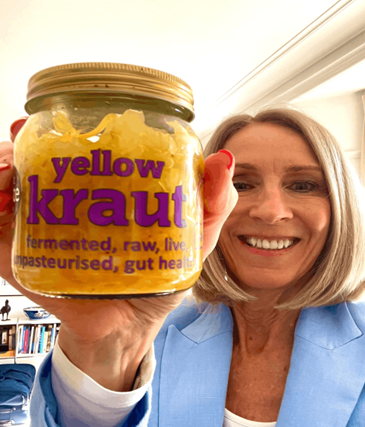
Rather than relying on antacids or elimination diets that leave you eating almost nothing, a nutritional approach looks at rebuilding gut health from the inside. That might mean introducing more fermented foods, focusing on fibre variety, reducing foods that feed the wrong kind of bacteria, or supporting the gut lining directly through targeted nutrients.
What Practical Support Actually Looks Like
The good news is that improving your gut health does not have to feel complicated or restrictive. Small, consistent changes tend to work far better than dramatic overhauls. Eating more slowly, chewing properly, and spacing meals to give your digestive system time to reset. These things sound almost too simple, but they genuinely make a difference when done consistently.
A digestive health nutritionist will help you work out exactly which changes are worth prioritising for your specific situation, because gut health is not one size fits all, and what works brilliantly for one person can make things worse for another.
Your Gut Health Is Worth Taking Seriously
Living with ongoing digestive discomfort quietly drains your quality of life in ways you might not even fully notice until things start to improve. With the right support and a plan built around your body, better gut health is absolutely within reach and the benefits tend to spread far beyond your stomach.





Leave a Reply